150 days with Alta, and why Forerunner is investing in the future of digital identity
They say it takes 21 days to build a habit and 90 to make it stick. I'm at 150 days of Alta, and I'm hooked. I can't get dressed in the morning without it.I like fashion as much as the next gal, but I'm not fashion-obsessed. I am, however, Alta-obsessed.
Alarm. My Oura sleep score, the weather, my calendar, then Alta.
I scan the outfits Alta has curated for the day, save a suggestion for how to style my new sweater with a skirt I already own, take a quick scroll through my friends' outfits, tap a few hearts on some items I want to keep on my wishlist, and then I get to the main event: rendering my Eurie-avatar for the day, There's a little spinning gem while it generates. I can’t help but stare at it, eagerly.
It turns out everyone does this. Alta users have collectively spent 56,000 hours (six years of human time) waiting on that spinning gem alone. More than 20 million avatars and 700 million outfits have come out the other side.
That’s why we couldn’t be more enthused to announce that Forerunner has led Alta's Series A, joining existing investors Menlo Ventures, Benchstrength, and Aglaé Ventures in backing founder and CEO Jenny Wang in bringing this magical experience mainstream.
Insanely accurate avatars
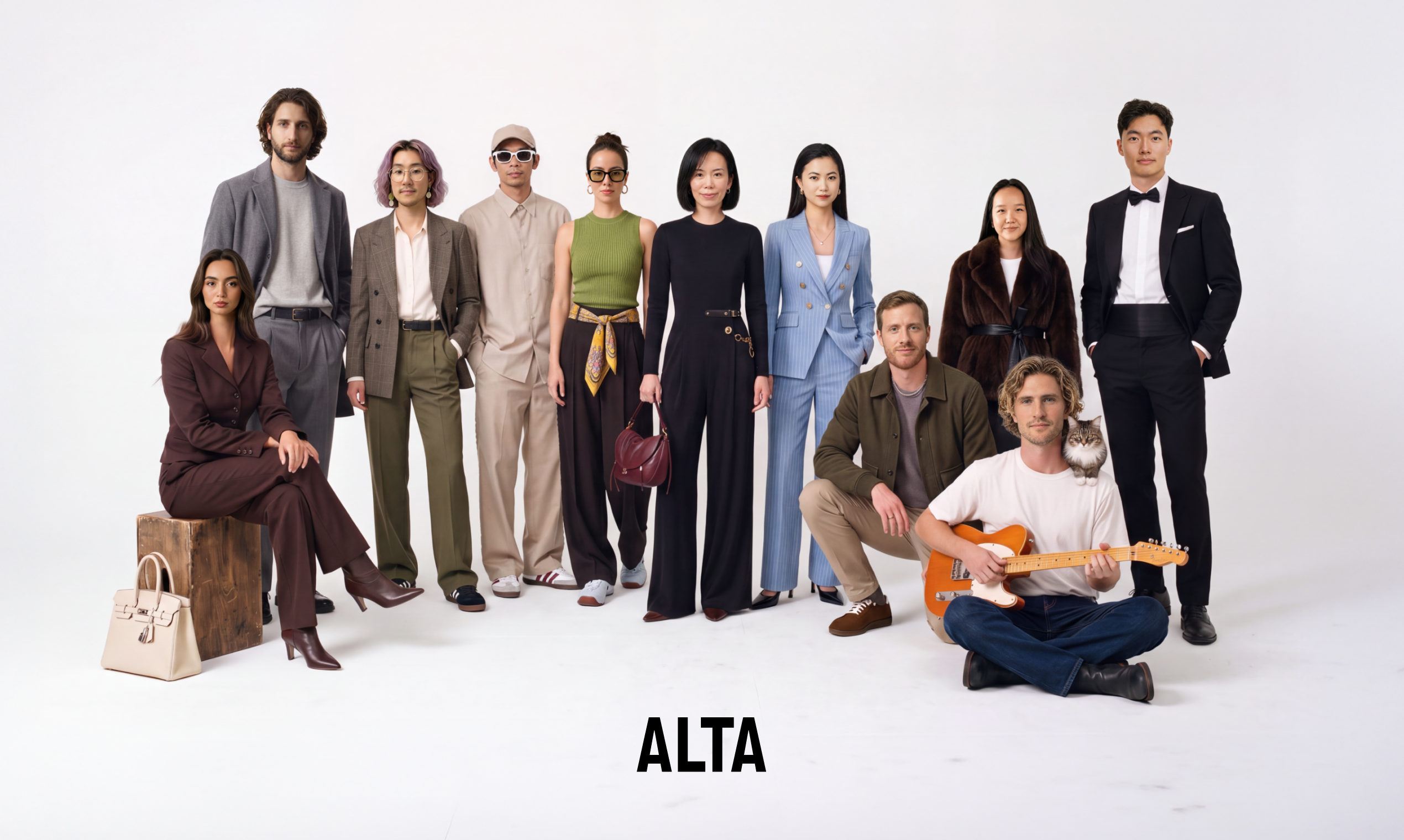
Alta creates a remarkably accurate avatar from just two selfies, renders outfits in seconds, and can ingest an entire wardrobe from photos, product links, video scans, or receipts.
Underpinning the seamless experience is more than a dozen specialized models, trained with real stylists in the loop, learning the nuances of personal taste and real-time user feedback.
But Jenny and her team did something more important than just making the technology work.
They made it fun.
Today, one avatar is being generated every second, and on a single record day this summer, users uploaded more than 700,000 closet items and generated 6 million outfits. Organically. The numbers are extraordinary, but the behavior is what is really striking. People are building an attachment to this digital version of themselves.
The closet is the gateway
Alta has a "top outfit of the week" ranking that’s discoverable to the community, and I've watched people add dogs, cars, guitars, fishing poles, and even their Starbucks orders and cars to their avatars. What started as a digital closet is becoming something much more personal.
This hints at Alta's real opportunity: to become a digital identity layer for consumers, reflective of how they look, feel, and live each day.
We're entering a world where agents will increasingly shop, schedule, negotiate, work, create, pay, and make meaningful decisions on our behalf. To represent us properly, they'll need more than access to our emails and calendars. They'll need to understand our real-time preferences and judgment. That's the potential we see in Alta. The avatar can be a living representation of the consumer, informed by what we own, what we want, how we express ourselves, and the choices we make over time.
Imagine that identity accompanying you into a brand's storefront, helping you make a purchase, or interacting with other applications and AI agents on your behalf.
Rather than rebuilding your identity in every new experience, you bring it with you. A portable, trusted visual representation of the person that you are daily.
A growing powerhouse
The commercial implications of Alta are already taking shape. I've bought two or three things directly from other people's outfits and wishlists just in the last month. Brands are beginning to recognize what happens when consumers can experience products through a highly accurate, dynamic digital representation of themselves.
Today, Alta has more than 4,000 brands represented across its community. Rent the Runway integrated its styling and rendering into its catalog and saw engagement increase 35%. e.l.f. Beauty selected Alta for its first beauty-on-avatar partnership. Zimmermann and Gap recently launched campaigns to let Alta users try on new collections and limited fashion show items.
And as Alta becomes more personalized to each consumer, its recommendations become more relevant, its influence on purchasing decisions grows, and its value to brands grows.
This technological, commercial, and creative impact makes more sense when you consider the founder behind this all: Jenny Wang, brings a rare combination of technical ambition and genuine consumer intuition. Jenny has the engineering depth to build foundational AI technology and the instinct to make it feel effortless, personal, and fun. She understands something that defines the best consumer founders: breakthrough technology matters most when it creates an experience people are emotionally connected to.
Alta is building that future of commerce, digital interaction, and community — one outfit at a time. We’re proud to back the journey.